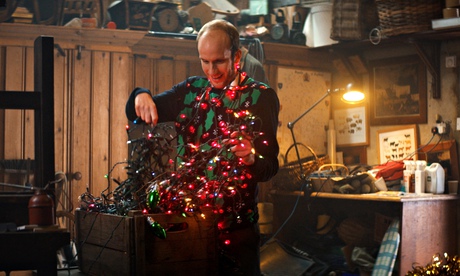
Retailer Debenhams 'premiered' it 2014 Christmas advertisement on 8 November, during the X Factor. This guaranteed the ad 7-8 million viewers, although it had already been released on YouTube a week earlier. At the time of writing the advert, called Found It, had been viewed nearly 350,000 times. By comparison with John Lewis and Marks & Spencer, this is a very muted response.
While some of the business press bubbled with enthusiasm about this "compelling customer proposition", others pointed out that the company's spend on making the TV ad has been slashed by two thirds. As we noted in other postings, retailers this year aim to make more of their budgets by using a multi-channel approach: in Debenhams case there will be a lot of point-of-sale material in store, as well as the social media side. They also promise 200 in store hot spots.
*
The theme of the ad is gift giving - or to be more correct, finding the right gift. Like John Lewis the focus is largely on small children and cuddly toys. Debenhams, though, have not attempted to produce branded merchandise in the way that John Lewis has successfully done with Monty the Penguin.
Debenhams is anxious to make its investment work harder, "A broad campaign which can play out across all media - paid and owned" (according to Marketing Week).
The choice of music is not explained: the ad uses a brass band recording of Paul McCartney's 1984 single Frog Chorus. There are no voices until the final shots where we hear "We all stand together" being sung. This choice has given the audiences the opportunity to ridicule the advertisement: online critics mock the fact that a song about frogs is the backing track to a film featuring reindeer and cuddly bears. The Guardian ironically wondered if the plan was for Frog Chorus to be the Christmas number one: while Asda and John Lewis have released their soundtracks to iTunes and other digital music platforms, this doesn't seem to have happened at Debenhams.
Twitter is an important part of the campaign to create a hardworking meme: @debenhams has
incentivised the use of their hashtag by offering prizes, but to date the takeup seems to have been slow. The store is trying to leverage co-creation by encouraging shoppers to take selfies with their purchases, which can go onto Twitter or their own microsite. Debenhams have been posting thumbnails of these online, although curiously the bulk of the pictures seem to have been posed, rather being true selfies. The Debenhams Facebook page is also working hard for them, with over 300,000 fans.
All in all an imaginative broad campaign from Debenhams, but not something that looks likely to match what is being achieved by rivals John Lewis or M&S.